


Introduction to the Shift
The digital landscape is evolving, and a noticeable decline in reliance on Google for online searches is emerging. Users are increasingly turning away from traditional search engines, seeking more interactive and efficient ways to find information. This shift is largely attributed to the rise of AI bots, which offer a more conversational and personalized search experience.
These AI-driven tools are transforming how we engage with information. Instead of sifting through endless links, users can now ask questions and receive direct answers in real-time. This change not only enhances user satisfaction but also reflects a broader trend towards more dynamic and intelligent technology.
A recent study highlights these trends, revealing significant statistics that underscore the growing preference for AI bots over conventional search methods. As we delve deeper into the findings, it becomes clear that this shift is not just a fleeting trend; it marks a substantial change in our online search behavior.
Key Findings of the Study
The recent study uncovers striking statistics that reveal a 15% decline in Google usage over the past year. This decline marks a significant shift in how users seek information online. In contrast, AI bots have seen a remarkable rise in popularity, with user engagement increasing by 40% compared to traditional search engines.
When analyzing user preferences, the data indicates that younger demographics, particularly those aged 18 to 34, are leading the charge towards AI bots. Approximately 60% of this age group now prefers using AI for their searches, attracted by the interactive and personalized experience these bots provide.
Moreover, the study highlights that users appreciate the conversational interface of AI bots, which allows for a more intuitive search process. This shift not only emphasizes changing behaviors but also points to a future where AI could play a central role in online information retrieval.
Reasons Behind the Shift
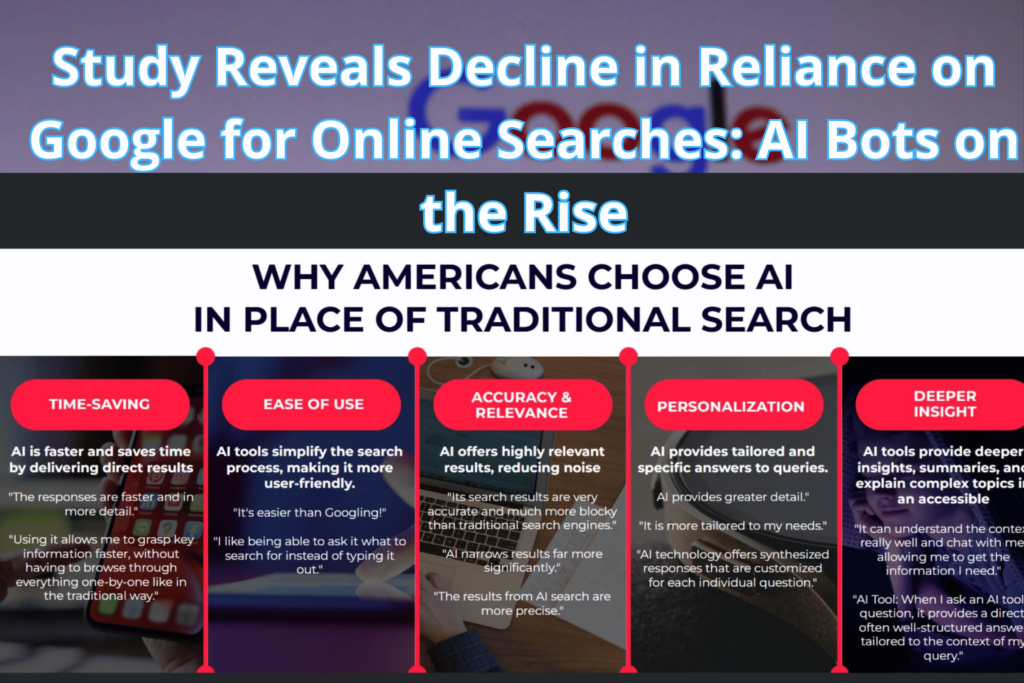
One of the driving forces behind the decline in reliance on Google is the user preference for conversational interfaces. People increasingly favor interactions that feel more natural and human-like. For instance, AI bots can engage users in a dialogue, allowing them to ask follow-up questions and refine their queries in real-time. This conversational approach makes finding information feel less transactional and more personalized.
Additionally, the efficiency and personalization of AI bots play a crucial role in this shift. These bots utilize advanced algorithms to learn user preferences, tailoring responses based on individual needs. For example, an AI bot might remember a user’s previous searches, offering more relevant suggestions over time. This level of customization is something traditional search engines struggle to provide.
Finally, the limitations of traditional search engines are becoming more apparent. Users often face overwhelming amounts of information and irrelevant results. Many find themselves sifting through pages of links to find what they need. AI bots, on the other hand, can streamline this process, delivering concise answers quickly and efficiently.
Implications for Online Search
The shift away from Google towards AI bots could lead to significant changes in SEO practices. Traditional SEO strategies focused on keyword optimization may need to evolve. As AI bots prioritize conversational queries and context, marketers will have to rethink how they approach content creation and optimization.
This transformation will also impact businesses and marketers. Those who adapt quickly to the rising trend of AI interactions can gain a competitive edge. Companies will need to invest in AI technologies and training to ensure they can meet the demands of consumers who increasingly prefer engaging with chatbots over traditional search engines.
Looking ahead, the future role of AI in information retrieval seems promising. AI bots are likely to become more sophisticated, making them more effective at understanding user intent. This evolution will not only enhance the search experience but could redefine how we access and interact with information. As we consider these changes, it’s crucial to stay informed and adaptable in a rapidly shifting digital landscape.
Conclusion and Future Outlook
The recent study highlights a notable decline in reliance on Google as users increasingly turn to AI bots for their search needs. This trend reflects a significant shift in online behavior, driven by the demand for more personalized and efficient interactions.
As technology continues to evolve, adapting to these changes is crucial. Businesses and marketers must embrace innovative tools and strategies to remain relevant. Ignoring this shift could mean losing touch with a growing segment of digital consumers who prefer the engaging experience AI bots provide.
Looking toward the future, online searches will likely undergo a profound transformation. AI bots are poised to redefine how we access information, making searches more conversational and context-aware. The implications of this shift are profound, suggesting a future where our interactions with technology will be more intuitive than ever. As we navigate this new landscape, the key will be staying agile and open to the possibilities that lie ahead.